
From ancient shamanic rituals in Atacama and West Africa to modern French precision lutherie, explore the history,...
shopping_cart
Cart
0

From ancient shamanic rituals in Atacama and West Africa to modern French precision lutherie, explore the history,...

Meditation is based on a specific quality of attention that is often misunderstood. It is not about clearing the mind...
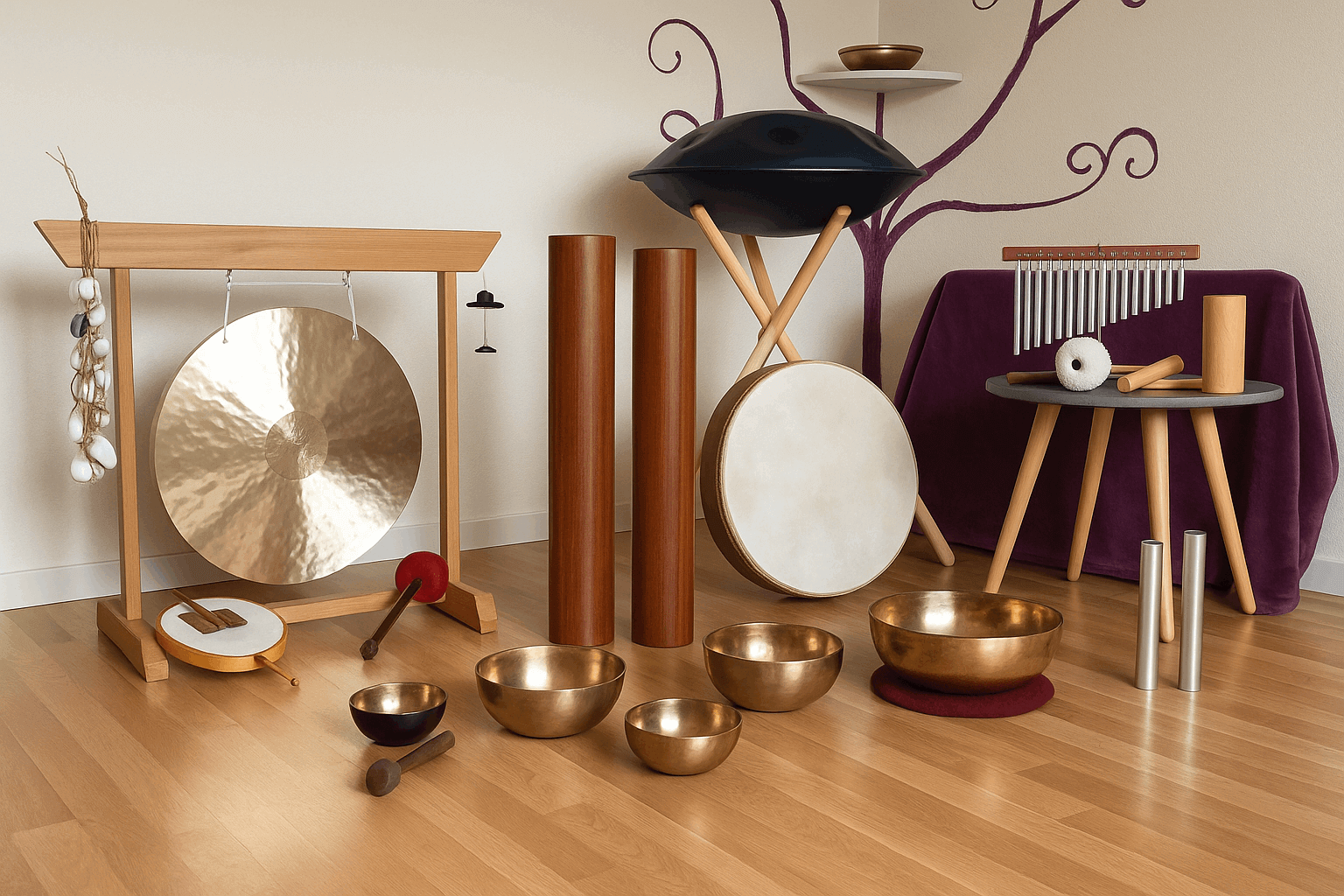
Sound therapy, relaxation and vibrations: discover how the Rain Pillar can accompany sound baths, meditation and...
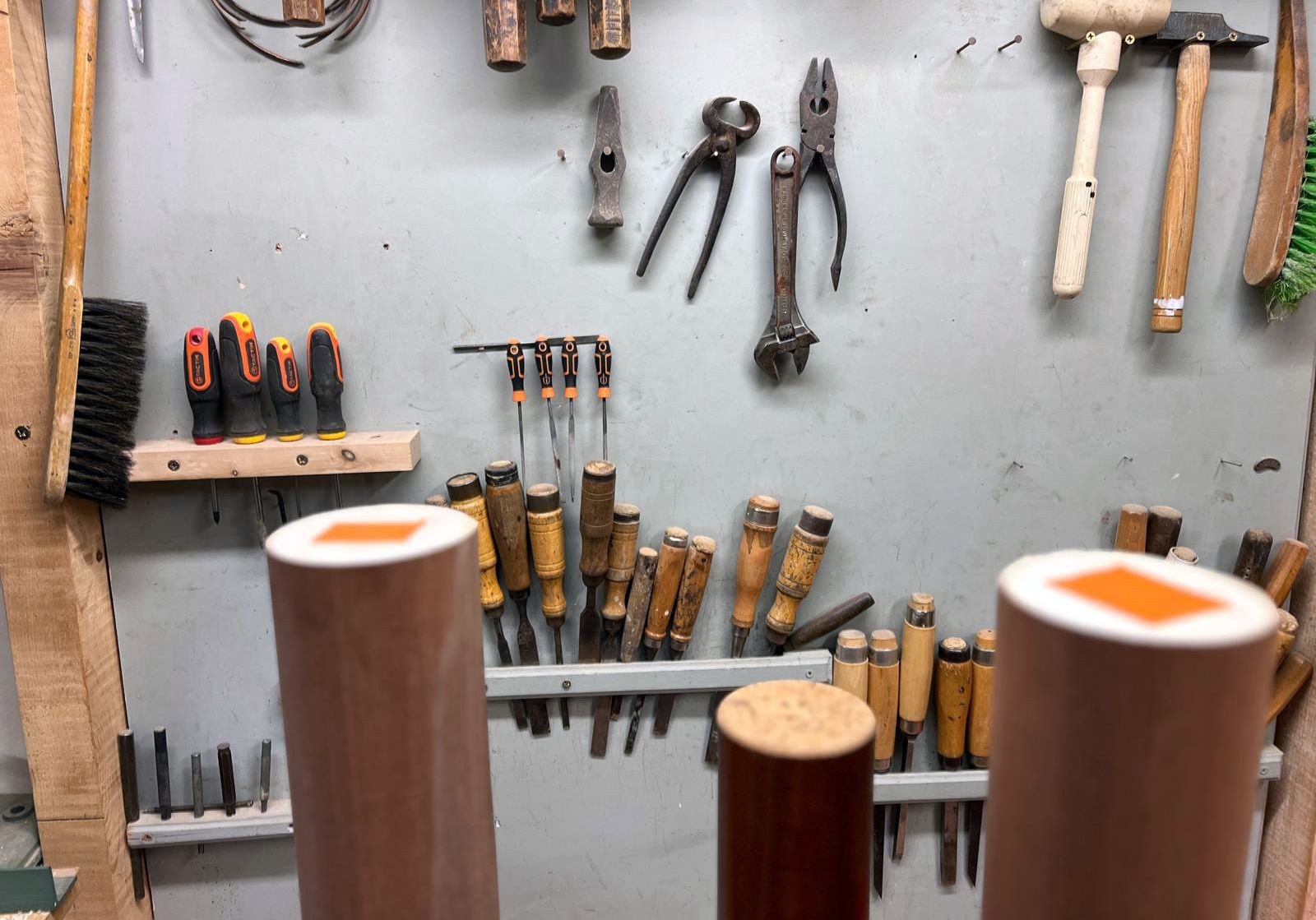
In the workshop, every rainstick is born from a precise gesture and patient listening. From the wood processing to...
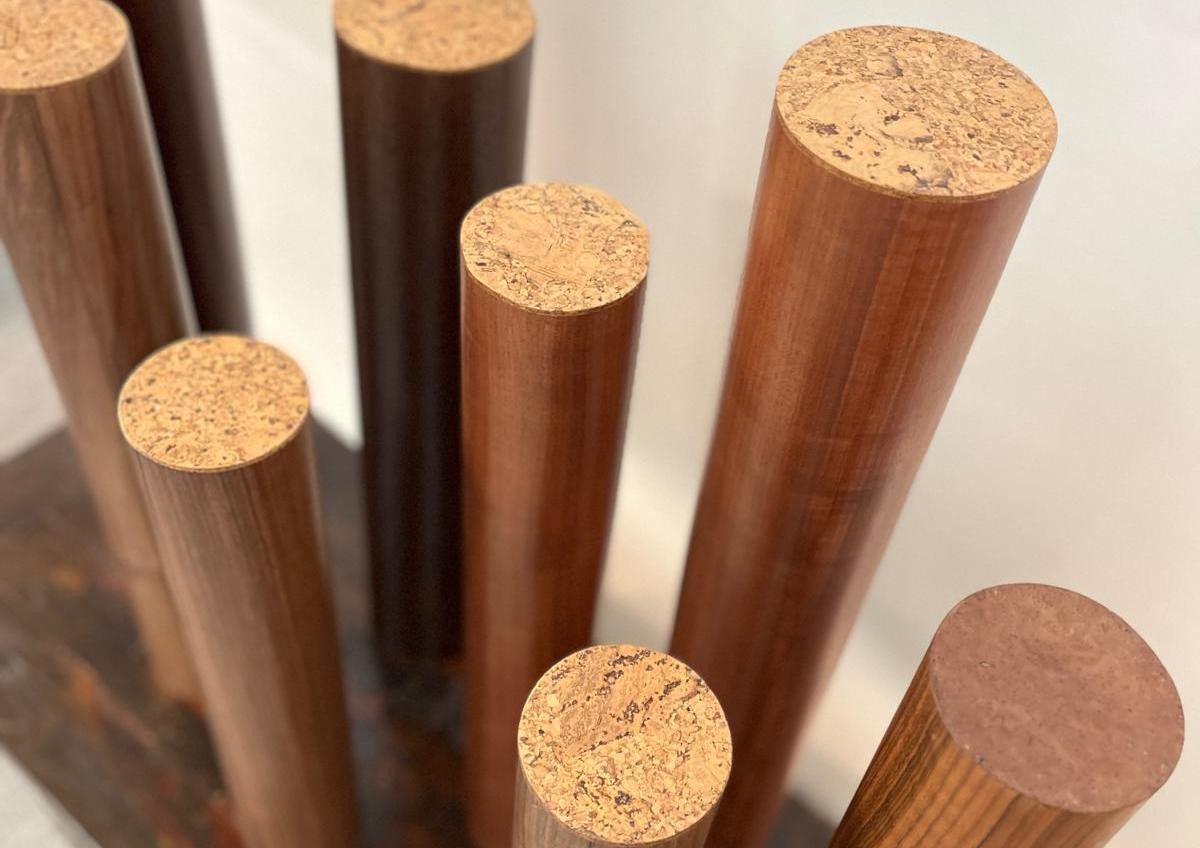
Elevate the guest experience at your luxury spa, hotel, or high-end boutique with our French artisanal rainsticks. An...
The making of a rain pillar begins long before its first sound is heard. In the workshop, it all starts with the choice of materials, the precision of each gesture and attentive listening. A handcrafted rain pillar is not a mass-produced object. Each instrument is made step by step, with every detail contributing to its sound and balance. The natural flow of the sound is the result of meticulous craftsmanship, experience and careful listening.
Rainsticks are commonly made from plywood or solid woods such as ash, oak or beech, selected for their density and acoustic qualities. But the choice of material affects more than the sound: it also influences the instrument’s stability, strength and durability. At the workshop, we have chosen a different approach: wood veneer. We use carefully selected wood that is stable and consistent, a material also used in decorative arts and fine cabinetmaking. Its flexibility allows it to follow the shape of the instrument while reducing the risk of cracking, even if it is dropped.
It also provides a balanced acoustic character, neither too bright nor too muted. Above all, it helps preserve the instrument’s sound and appearance over time, combining durability with a refined finish. This choice brings together design, craftsmanship and technical requirements. Here, veneer is not a compromise: it is a deliberate choice of material in service of the sound.
Before the body of the instrument takes shape, one of the most delicate stages begins: installing the resonating rods. They are inserted one by one, following a precise sequence that determines the path taken by the seeds inside the rain pillar. Each rod creates a point of contact between the seeds and the body of the instrument, influencing the continuity and fluidity of the sound. This stage requires observation and listening as much as technical precision: the sound of the rain has to be imagined before it can be heard.
The artisan works gradually, rod by rod, until the right density is achieved. The aim is to avoid a sound that is either too muffled or too sparse, allowing the rain to flow naturally throughout the instrument. It is an invisible geometry of sound, built inside the rain pillar and adjusted by ear.
If the wood forms the body of the rain pillar, the seeds create its movement and sound. Their selection influences the texture of the rain, its continuity and the balance between softer and deeper tones. The seeds are selected according to their density, diameter and shape to create a balanced mixture. Some roll gently through the instrument, while others strike the rods more directly, producing subtle variations in texture and intensity.
The balance between these different elements is essential. Finer seeds help create a smooth, continuous flow, while heavier seeds add more presence to the sound. The proportions are carefully adjusted to create the final acoustic character of the instrument. When the first seeds are introduced into the tube and begin to move across the rods, the artisan listens, adjusting and refining the mixture until the desired sound emerges: a continuous, balanced and meditative flow of rain.
Once the internal structure is complete, the rain pillar enters its sound-testing stage. No measuring equipment is used: the process relies on listening. The instrument is tilted and turned while the artisan observes how the seeds descend, how quickly they move and how the sound develops. Each instrument has its own voice, and the aim is not simply to reproduce an identical sound, but to find the right balance within each rain pillar.
The adjustment is complete when the flow becomes smooth, continuous and balanced, and the wood, rods and seeds work together as intended. This stage takes time, as even small adjustments can change the way the seeds move and the way the sound unfolds throughout the instrument.
The work does not end with the sound. The surfaces are polished and the edges carefully softened. A natural oil, made in the workshop, nourishes the veneer without concealing it, revealing the grain of the wood and its warm reflections. Each piece has its own appearance, shaped both by the material and by the hand of the artisan.
The finish is not purely aesthetic. It is also part of the sensory experience of the instrument: the feel of the wood and cork, the texture of the surface and the natural variations in the finish all extend the experience of the rain pillar beyond its sound.
The first time a completed rain pillar is played is always a significant moment in the workshop. The artisan listens as the seeds begin their descent and the sound develops through the instrument. Each rain pillar is distinctive not only in its appearance, but also in the subtle character of its sound. Some are used by musicians, others by therapists or in meditation and yoga spaces. Others find their place in interiors chosen for their design, or simply in homes where sound and craftsmanship are appreciated.
They all share the same intention: to introduce calm, slowness and beauty into everyday life through sound, movement and material. To understand how we bring together acoustics, well-being and design, discover the Rain Pillar concept.
check_circle
check_circle