
From ancient shamanic rituals in Atacama and West Africa to modern French precision lutherie, explore the history,...
shopping_cart
Cart
0

From ancient shamanic rituals in Atacama and West Africa to modern French precision lutherie, explore the history,...

Meditation is based on a specific quality of attention that is often misunderstood. It is not about clearing the mind...
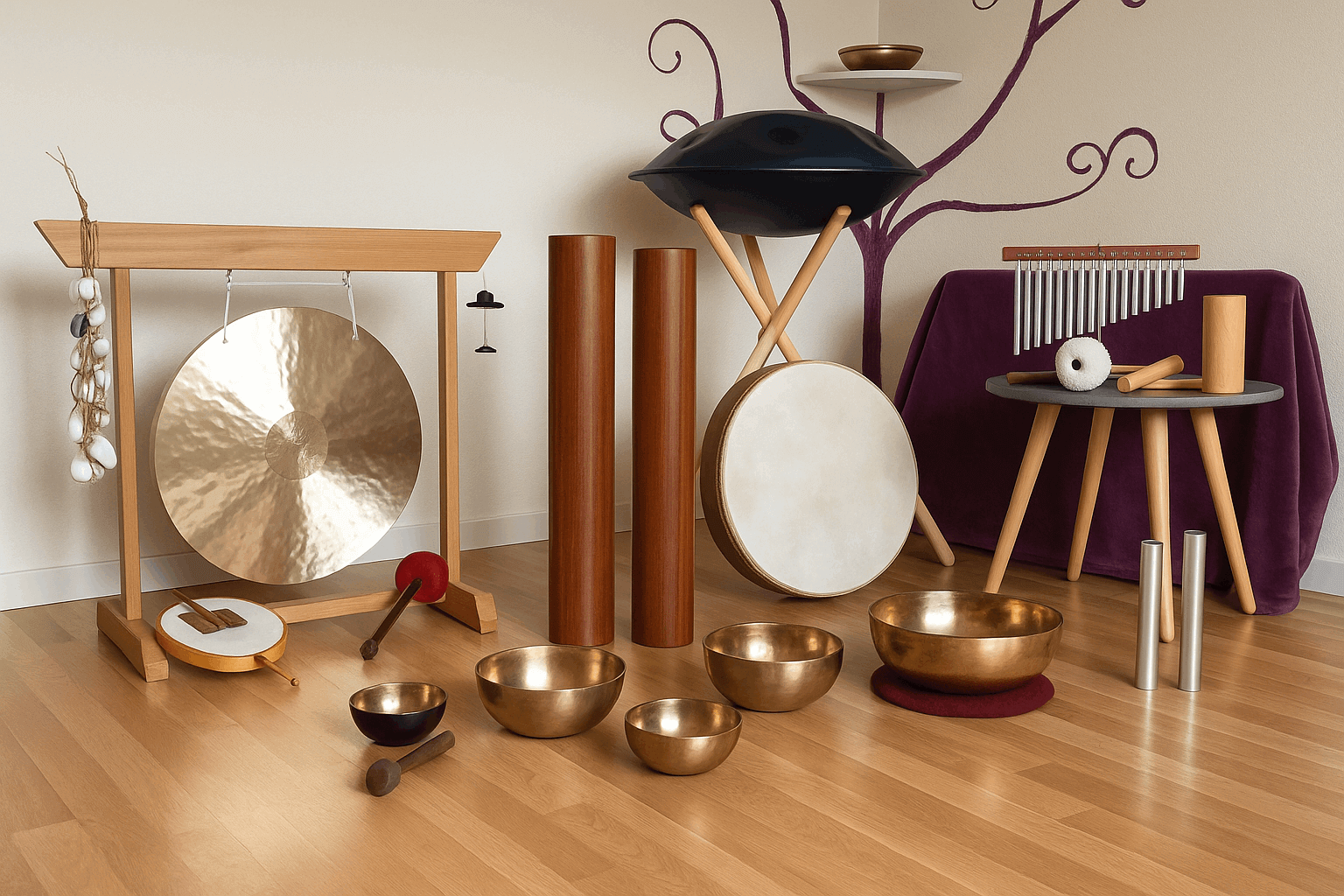
Sound therapy, relaxation and vibrations: discover how the Rain Pillar can accompany sound baths, meditation and...
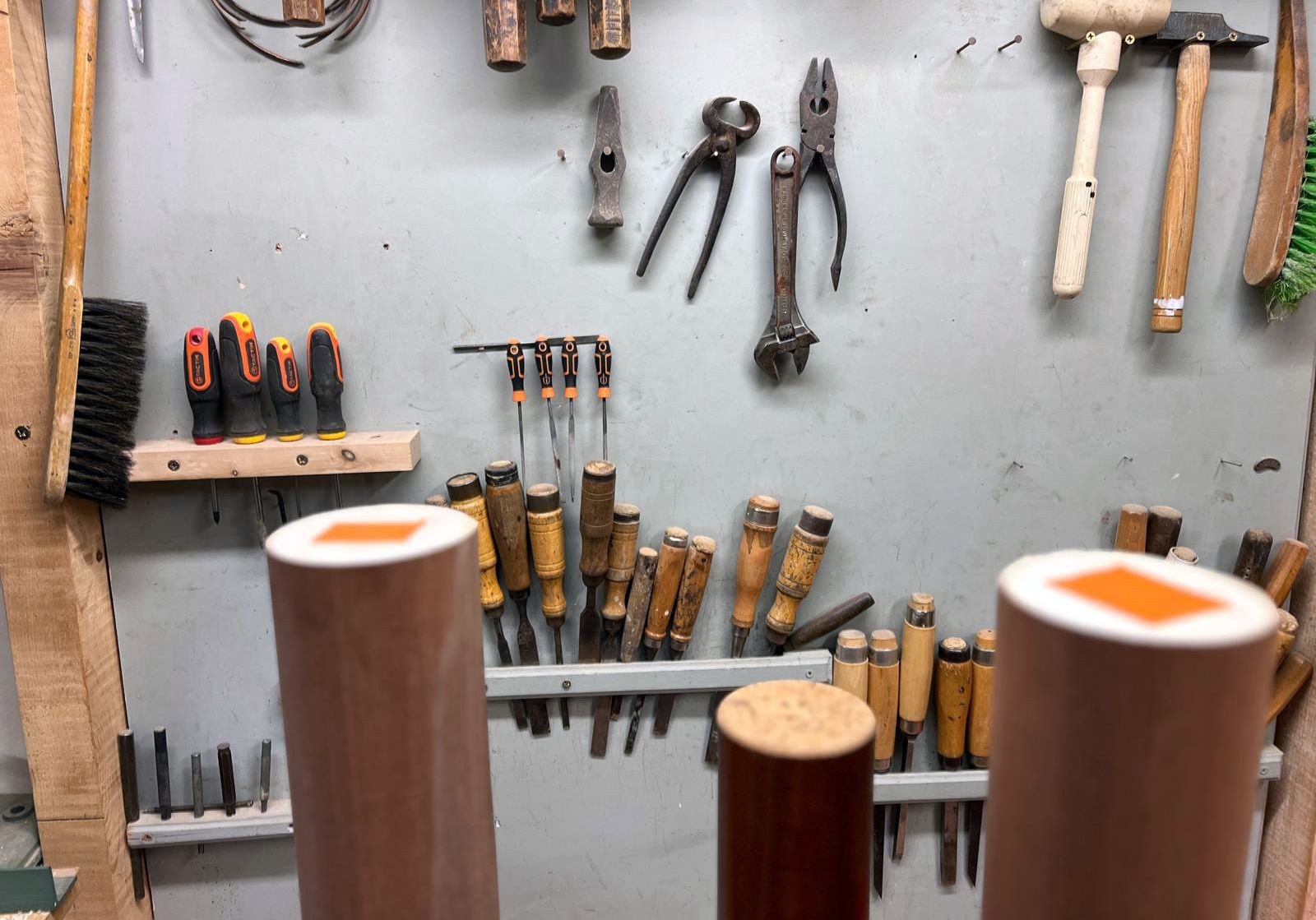
In the workshop, every rainstick is born from a precise gesture and patient listening. From the wood processing to...
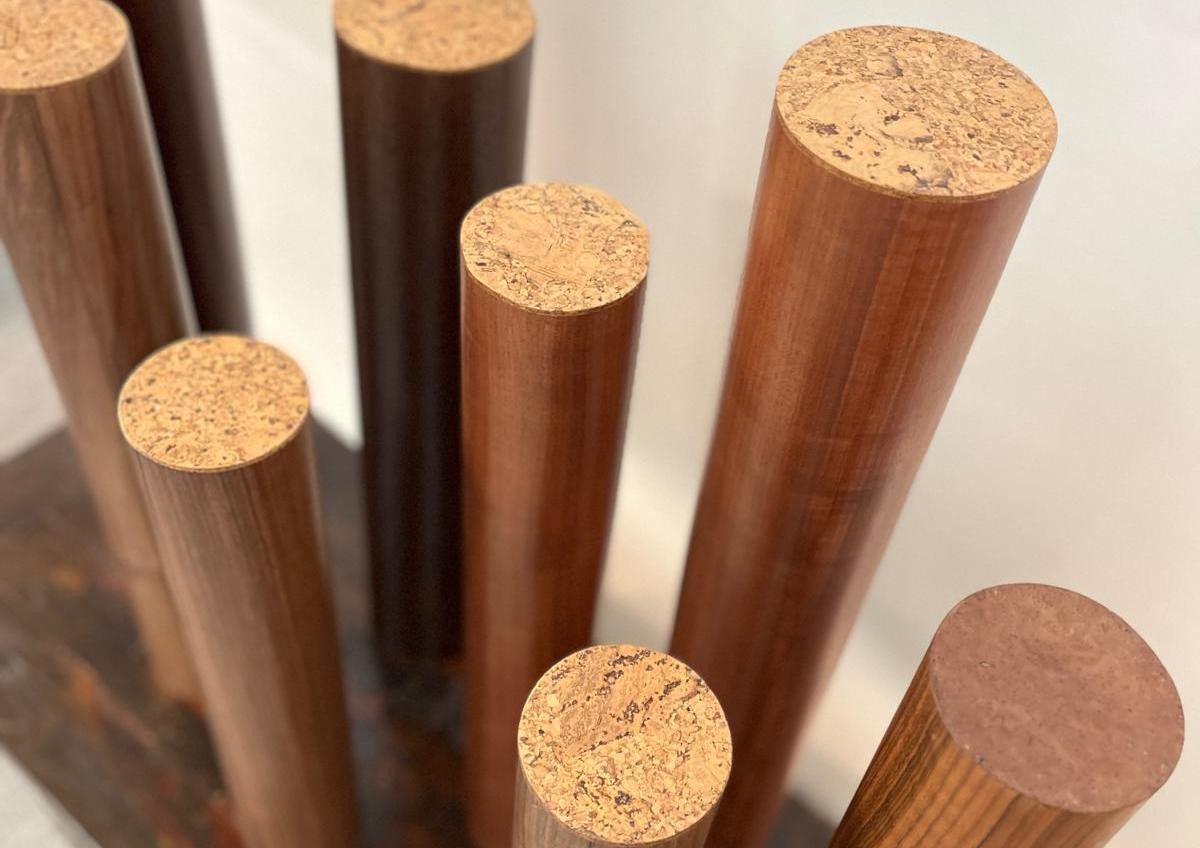
Elevate the guest experience at your luxury spa, hotel, or high-end boutique with our French artisanal rainsticks. An...
Beyond its visual beauty and symbolic depth, the rainstick stands as a musical instrument in its own right. Its textured resonance, breath, and duration make it a unique sound material, able to enrich live performances, studio recordings, or meditative spaces. Between gentle percussion and sound texture, it bridges contemporary music with the poetry of natural sound.
Every movement of the musician extends the rhythm of the rain. The rainstick lends itself to sound exploration, experimentation, and the creation of immersive atmospheres. It offers a delicate palette: subtle rhythms, flowing layers, continuous resonance. From acoustic concerts to electroacoustic compositions, from theater to sound design, it inspires slowness, sensitivity, and deep listening.
Born from ancestral rituals, the rainstick now finds its place in contemporary creation. Musicians rediscover it as a symbol of balance between nature and technology. Played live, sampled, recorded, or integrated into electronic setups, it carries within it the living memory of universal sound. Its presence invites us to rethink our relationship to music — less demonstrative, more organic.
In the workshop as on stage, every rainstick tells a story of listening. Its length, density, and tone become compositional tools — ways to sculpt time and sonic space. It reminds us that music is not only about notes, but also about matter and silence. To compose with a rainstick is to dialogue with the living, to give form to a natural and primal emotion.
Through this category, the rainstick is celebrated as an instrument of the present and the future: poetic, experimental, and sensory. These articles explore its role in musical creation, sound pedagogy, live performance, and acoustic design. An invitation to rediscover the beauty of natural sound, to hear the rain differently, and to let movement become music.
No posts found
check_circle
check_circle