
Drifting off to rain sounds, reading a few pages or drawing before bed: discover how a handcrafted rain pillar can...
shopping_cart
Cart
0

Drifting off to rain sounds, reading a few pages or drawing before bed: discover how a handcrafted rain pillar can...
From ancient shamanic rituals in Atacama and West Africa to modern French precision lutherie, explore the history,...

Meditation is based on a specific quality of attention that is often misunderstood. It is not about clearing the mind...
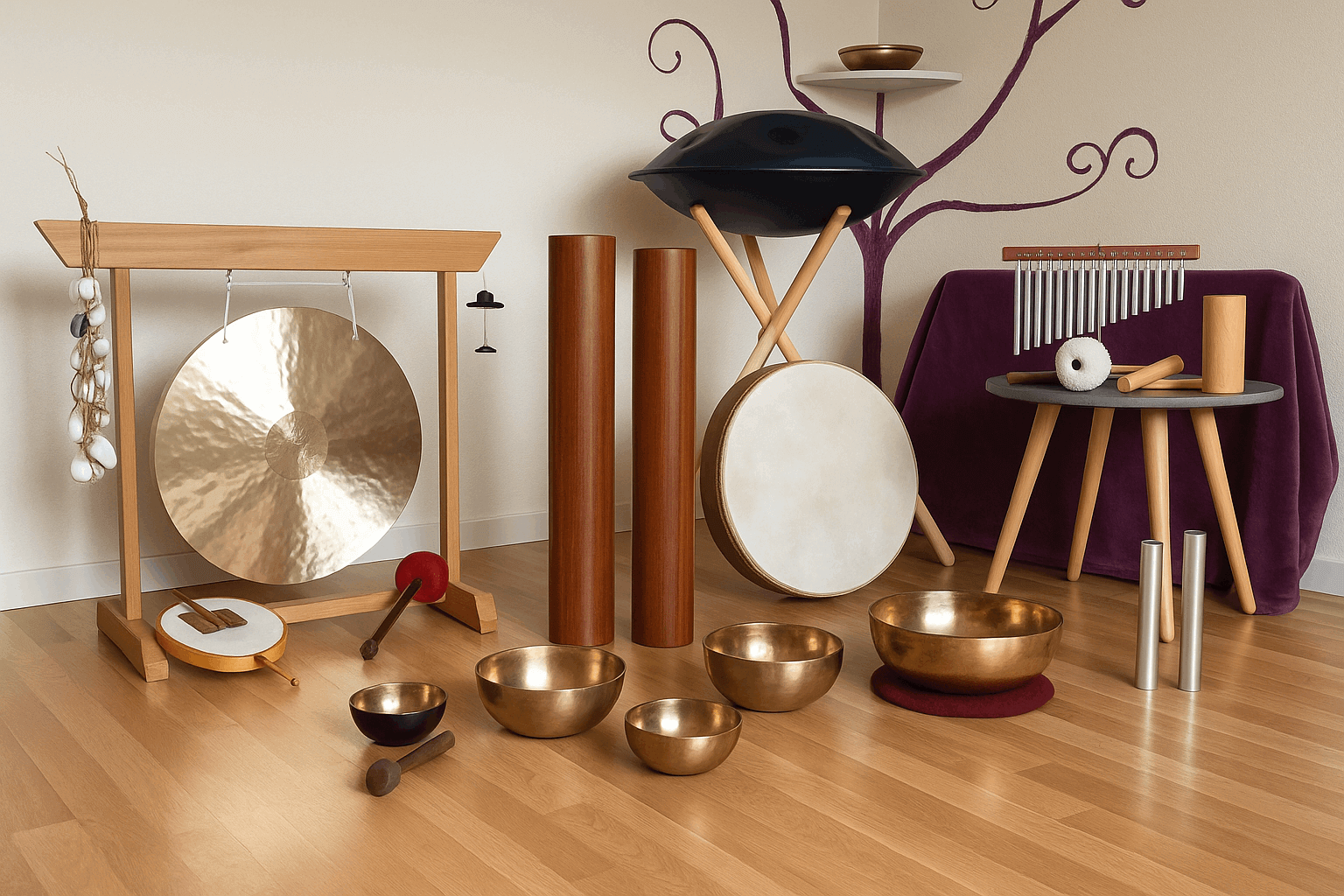
Sound therapy, relaxation and vibrations: discover how the Rain Pillar can accompany sound baths, meditation and...

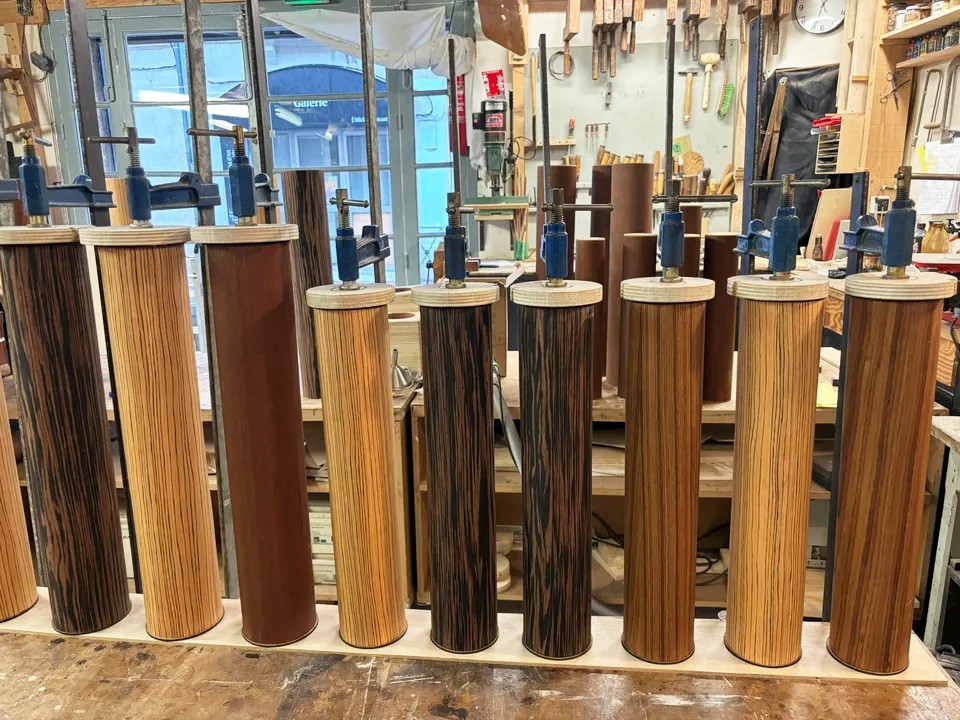
In the workshop, every rainstick is born from a precise gesture and patient listening. From the wood processing to...

Elevate the guest experience at your luxury spa, hotel, or high-end boutique with our French artisanal rainsticks. An...
Imagine a mountain spa. The lighting is soft, the room comfortably warm. Guests have just settled onto the loungers. Quiet gradually fills the space, broken only by the sound of breathing and, somewhere nearby, a gentle, continuous rustle, like summer rain falling on leaves.
The sound comes from a handcrafted rain pillar, made by hand in Mickaël Amant’s French workshop. Part of the rainstick family, this acoustic instrument produces a prolonged flow of sound that can accompany a moment of rest. Its shape and finishes also give it a place in the interior design of a room.
In a spa, hotel or boutique, sensory design means considering what visitors see, hear and touch together. A rain column can contribute to this approach through both its appearance and its sound.

The soundscape contributes to our first impression of a space. Conversations, background music and the quiet of a relaxation room each create a different atmosphere.
A rain pillar offers a subtle acoustic presence that should suit the setting and its purpose. Its flowing sound evokes rain or running water. In a quiet environment, it can give visitors a point of focus as they pause to listen.
Context matters, however. A sound that works well in a relaxation room may be difficult to hear in a busy lobby. The acoustics of the space and people’s preferences matter as much as the instrument itself.
Welcoming spaces express their identity through decoration, materials and lighting. Sound can also play a part.
Each time a rainmaker is used, slight variations can be heard in the flow. Visitors can observe the object, discover how it works and connect what they hear with the movement of the instrument.
In a hotel lobby, it can accompany a seating area away from the main thoroughfare. In a quiet room, it can provide a focus for listening. In a spa, it can be used between treatments or during a relaxation session.
A rain pillar combines the function of an acoustic instrument with the presence of a decorative object. Its vertical shape allows it to fit into different interiors, provided it has a stable, accessible position.
In our workshop, we use a range of reconstituted wood veneers, available in different patterns and finishes. They cover the body of the instrument and give it its visual character. Depending on the models available, the finish can be chosen to complement the materials and colours of the space.
Several positions can be considered:
The instrument should remain easy to use and should not obstruct walkways.
The following situations are ideas for possible installations, rather than documented customer projects.

In a spa
A rain pillar can be placed in a relaxation room and used at selected times of day. The aim is to offer a soundscape suited to the quiet setting, without adding too many competing sounds.
In a hotel
A reading area or lounge can accommodate the instrument as both a decorative object and something for guests to discover. If visitors are invited to operate it, its use should be explained and its position chosen accordingly.
In a boutique
A rainmaker can be introduced through an occasional demonstration. This creates an opportunity to discuss its craftsmanship, finishes and operation without imposing continuous background sound.
The appeal of a rain pillar in a professional setting lies in the experience it offers: seeing the instrument, understanding how it works and taking time to listen.
A short explanation of its handmade construction and sound duration can make this discovery accessible. Depending on the setting, the instrument can be operated by a member of staff or by a visitor, with appropriate guidance.
Its sound should fit naturally into the welcome offered by the establishment. It can accompany a conversation or a moment of rest while respecting those who prefer silence.
To find out whether the installation suits your space, start by observing how it is used:
These observations can help you adjust its position and the times when it is used. They are more useful than a general promise of increased sales or guest satisfaction.
Choosing a rain pillar involves considering the desired sound duration, its physical size, how it will be handled and the listening environment. Room size alone does not determine the right model.
In a treatment room, guest suite or reading corner, choose a format that fits comfortably into the interior and remains easy to handle.
In a yoga studio or relaxation space, consider the role of sound during the session: an introduction, a transition or a longer accompaniment. The instrument’s duration should match that purpose.
In a lobby or large space, first assess the background noise. A larger rain column or a longer sound duration does not, on its own, guarantee that the instrument will be more audible throughout the room.
Provide a stable support, enough room to operate the instrument and a position away from moisture and heat sources.
The finish can then be chosen to suit the interior. It concerns the instrument’s appearance and should be distinguished from its sound duration and acoustic characteristics.
Handcrafting connects the object to a workshop and to the practical work involved in shaping its sound.
A rain pillar from Mickaël Amant’s workshop combines:
For an establishment, the aim is to find the right balance between listening duration, ease of handling and integration into the space. The specifications on each product page allow you to compare models before choosing the one that suits your project.
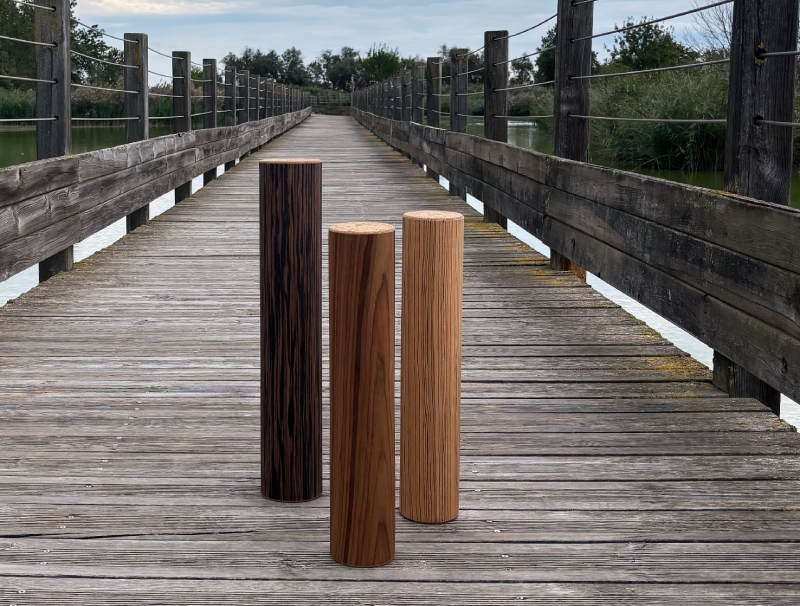
In wellness and hospitality settings, a rain pillar can bring a distinctive visual and acoustic presence. Its appeal rests on a simple experience: discovering an instrument, setting it in motion and listening as its sound unfolds.
Its integration deserves the same attention as furniture or lighting. Choosing the right position, duration and finish helps it find a coherent place within the setting and the experience offered to visitors.
check_circle
check_circle