
Meditation is based on a specific quality of attention that is often misunderstood. It is not about clearing the mind...
shopping_cart
Cart
0

Meditation is based on a specific quality of attention that is often misunderstood. It is not about clearing the mind...
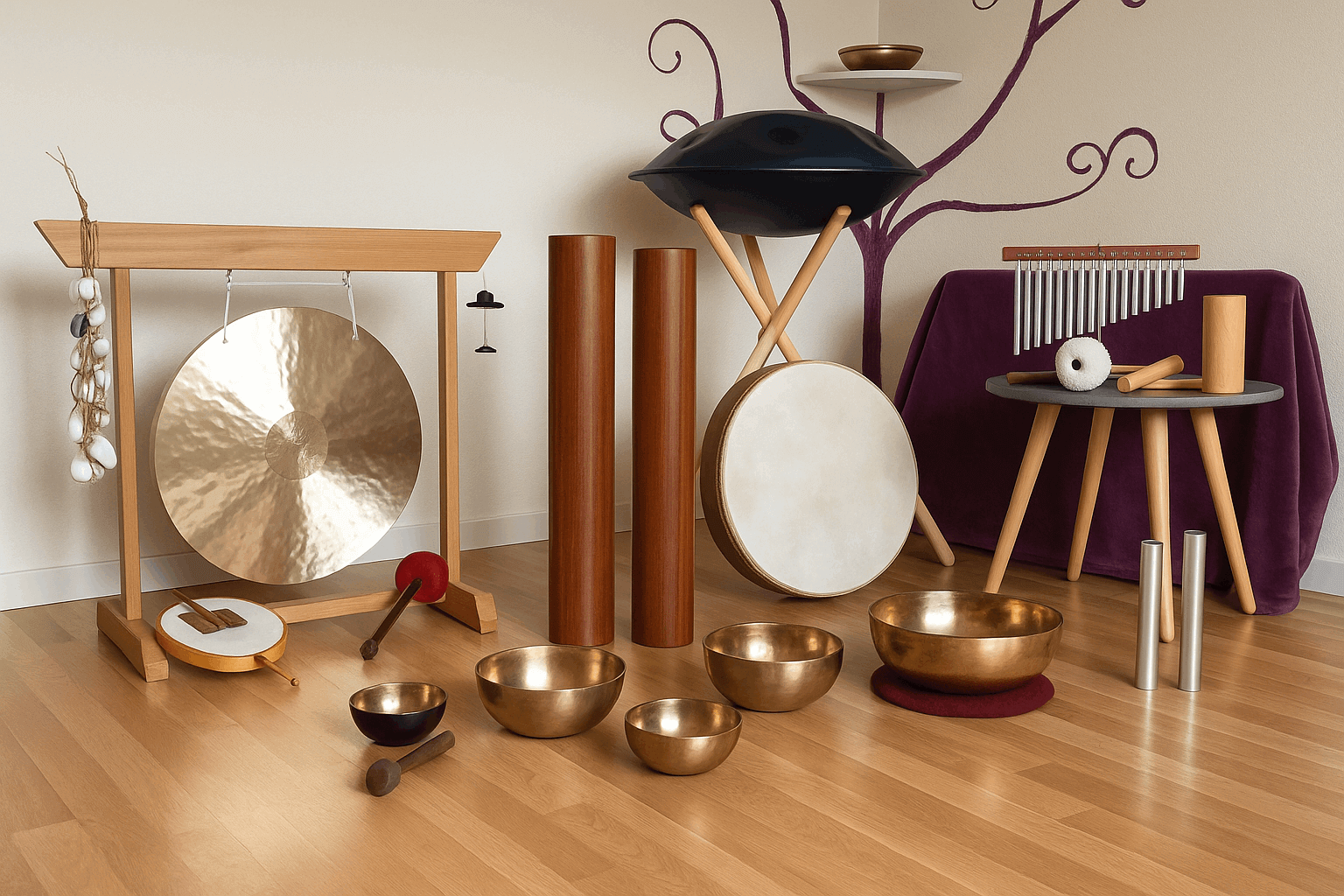
Sound therapy, vibrations and relaxation: discover how the gentle sound of the rainstick can heal the body and calm...

In the workshop, every rainstick is born from a precise gesture and patient listening. From the wood processing to...

Elevate the guest experience at your luxury spa, hotel, or high-end boutique with our French artisanal rainsticks. An...
Meditation is based on a specific quality of attention that is often misunderstood. It is not about clearing the mind or suppressing thoughts, but about cultivating a conscious, stable, and open presence to whatever arises in the moment.
Conscious, because the practice does not aim for self-absorption or oblivion, but for a lucid recognition of the lived experience.
Stable, because it develops the ability to remain present without being swept away by every distraction—a state known in contemplative traditions as Samadhi.
Open, finally, because it follows a Vipassana approach, where sensations, thoughts, and emotions are welcomed without judgment or rejection.
In this framework, silence is often presented as the ideal condition for meditation. However, in practice, absolute silence can become an obstacle. For many practitioners, beginners and experienced alike, the absence of external stimuli acts as an amplifier for "inner noise." The flow of thoughts, worries, or emotional tensions becomes more perceptible, sometimes overwhelming. This experience, famously known as the monkey mind, can lead to frustration and discouragement.
It is essential to remember one fundamental thing: silence is not the absence of sound. In mindfulness meditation, sound is an integral part of the experience. It is neither a nuisance nor an enemy to be fought, but a phenomenon to be observed. True silence is internal: it is the ability to remain equanimous, whether the environment is quiet or filled with sound.
This is precisely where the rain tree proves its relevance. With its soft, continuous, and organic sound, it doesn't just fill the space: it structures it. It acts as a guide for attention, offering a sensory anchor that supports presence without ever replacing the meditative practice itself.
Many contemporary approaches to meditation recognize the importance of natural sounds in establishing a meditative state. Water-related soundscapes—such as rain or flowing streams—are associated with a decrease in stress-related activity and better emotional regulation. They encourage a slowing of the mental rhythm and facilitate entry into a more stable state of attention.
The rain tree precisely reproduces this type of sound. Unlike structured music or a digital recording, it offers neither melody nor narration. Its sound flow is continuous but never mechanical, always slightly variable. This quality is essential in meditation: it captures attention without freezing it, allowing the mind to remain effortlessly present.
One of the major challenges of meditation is maintaining attention without tension. The sound of the rain tree provides a natural support point. It accompanies breathing, supports listening, and allows attention to settle without clinging. Each tilt of the instrument generates a slightly different rain sound, preventing monotony while maintaining great stability.
Unlike digital media, the rain tree remains a living instrument. The gesture, the wood, and the material itself participate in the experience, strengthening the link between the body, listening, and the present moment.
Rain universally evokes calm, purification, and renewal. This symbolism acts subtly but deeply within meditative practice. Wood, as a living material, further strengthens this connection. A handcrafted rain tree, designed from solid wood veneer, diffuses a warmer and more organic vibration than a standardized object. This sensory quality supports an embodied meditation, anchored in reality.
In practice, the rain tree is rarely used as a continuous sound imposed from start to finish. Instead, it serves as a transition: opening the session, establishing calm, acting as a periodic mindfulness reminder, and providing a gradual exit. This usage respects the essence of mindfulness, which places silence and observation at its center.
Some practitioners synchronize their breathing with the sound flow at the start of a session. Others prefer to let the rain gradually fade away to enter a more "inhabited" silence. In both cases, the instrument supports the practice without ever directing it.
For meditative use, two criteria are decisive: the sound typology and the duration of the continuous rain. An instrument that is too powerful, too dense, or too dominant in the sound spectrum can become intrusive during prolonged listening. Conversely, a steady, fluid, and well-balanced rain naturally accompanies attention and encourages inner slowing.
The duration of the rain must be considered in relation to the actual practice. Meditation sessions typically last between 10 and 20 minutes, and can extend longer for regular practitioners. In this context, a rain tree capable of producing continuous rain for several minutes creates a stable atmosphere without the need to constantly restart the instrument.
5 to 8-minute models: Particularly suited for children or very short practices. They match the attention spans of younger users and help ritualize calm without over-stimulation.
14-minute models: Perfect for adult beginners or classic guided sessions, accompanying a full session with controlled sound intensity.
30-minute models: Meet the needs of regular practitioners and wellness professionals, supporting longer practices or group sessions.
60-minute models: Best for specific contexts, such as retreats or open meditation spaces, where sound continuity must remain perfectly balanced.
Integrating a rain tree into your meditation is not about accumulation, but about a coherent choice. A handcrafted, sustainable instrument designed with care reflects the very values of mindfulness: slowness, quality, and respect for living things.
Over time, the rain tree becomes a practice companion. Its presence integrates into the meditative ritual, its sound evolves subtly, and the object acquires a symbolic value that goes beyond its simple acoustic function.
The rain tree is neither a gadget nor a miracle solution. It is a discreet and deeply relevant support for those wishing to cultivate mindfulness in the best conditions. Through its sound typology, mastered duration, and natural dimension, it helps establish a listening space conducive to meditation without ever replacing the inner experience.
For practitioners, choosing a rain tree means choosing an instrument that supports silence instead of masking it. A sober, sustainable choice, fully aligned with the spirit of mindfulness.
Sound therapy and rainsticks: the power of natural sounds to soothe body and mind
check_circle
check_circle