
Meditation is based on a specific quality of attention that is often misunderstood. It is not about clearing the mind...
shopping_cart
Cart
0

Meditation is based on a specific quality of attention that is often misunderstood. It is not about clearing the mind...
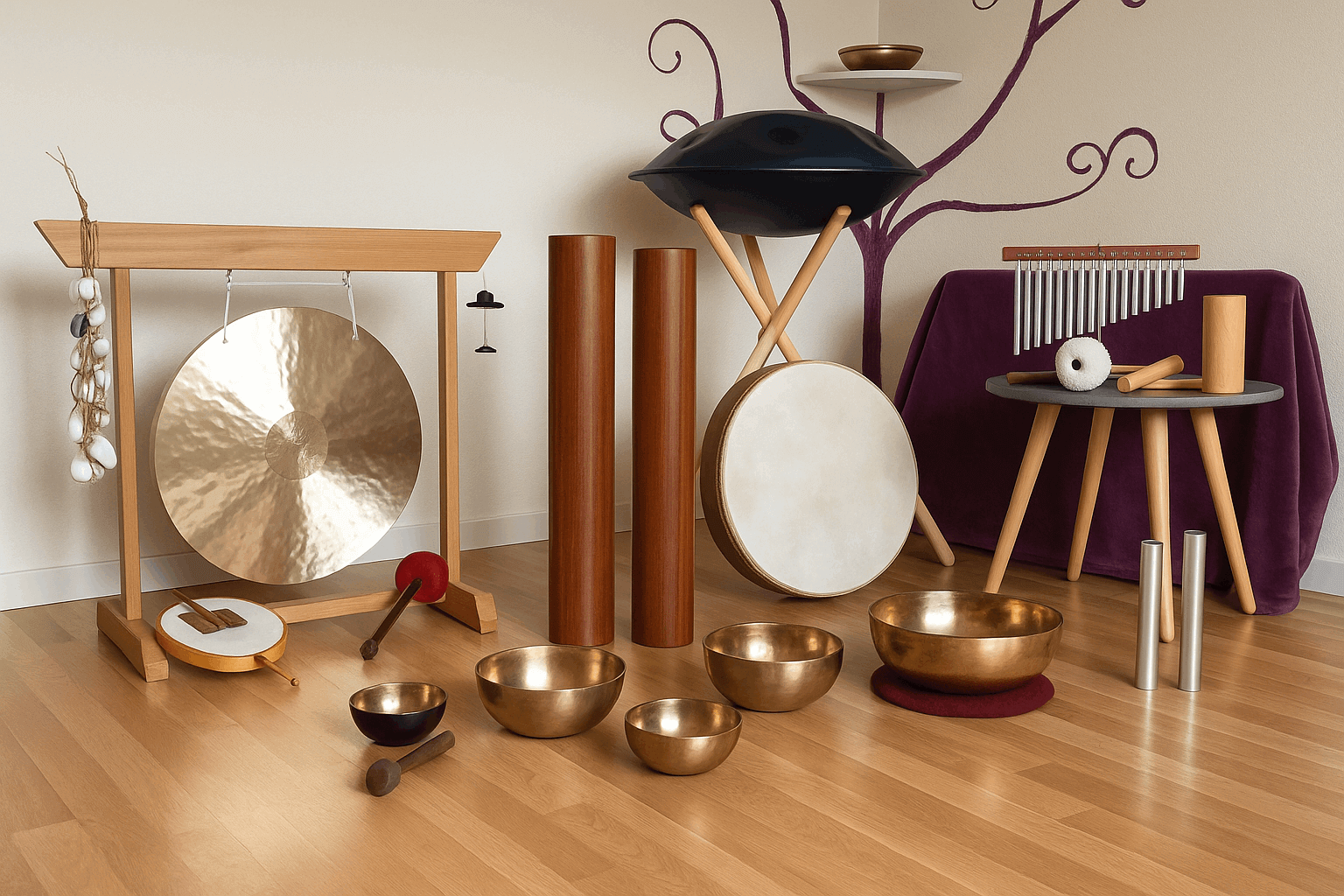
Sound therapy, vibrations and relaxation: discover how the gentle sound of the rainstick can heal the body and calm...
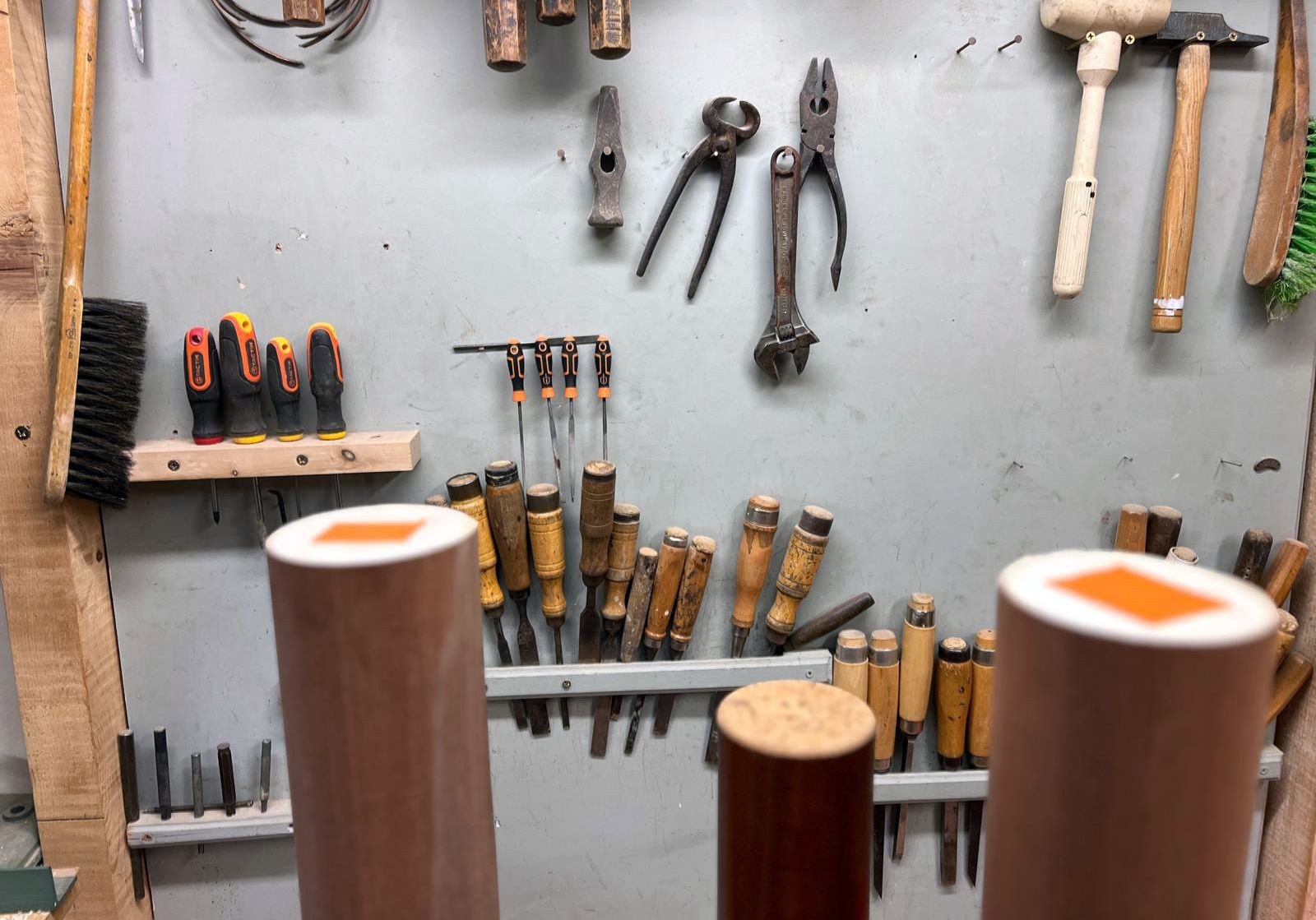
In the workshop, every rainstick is born from a precise gesture and patient listening. From the wood processing to...
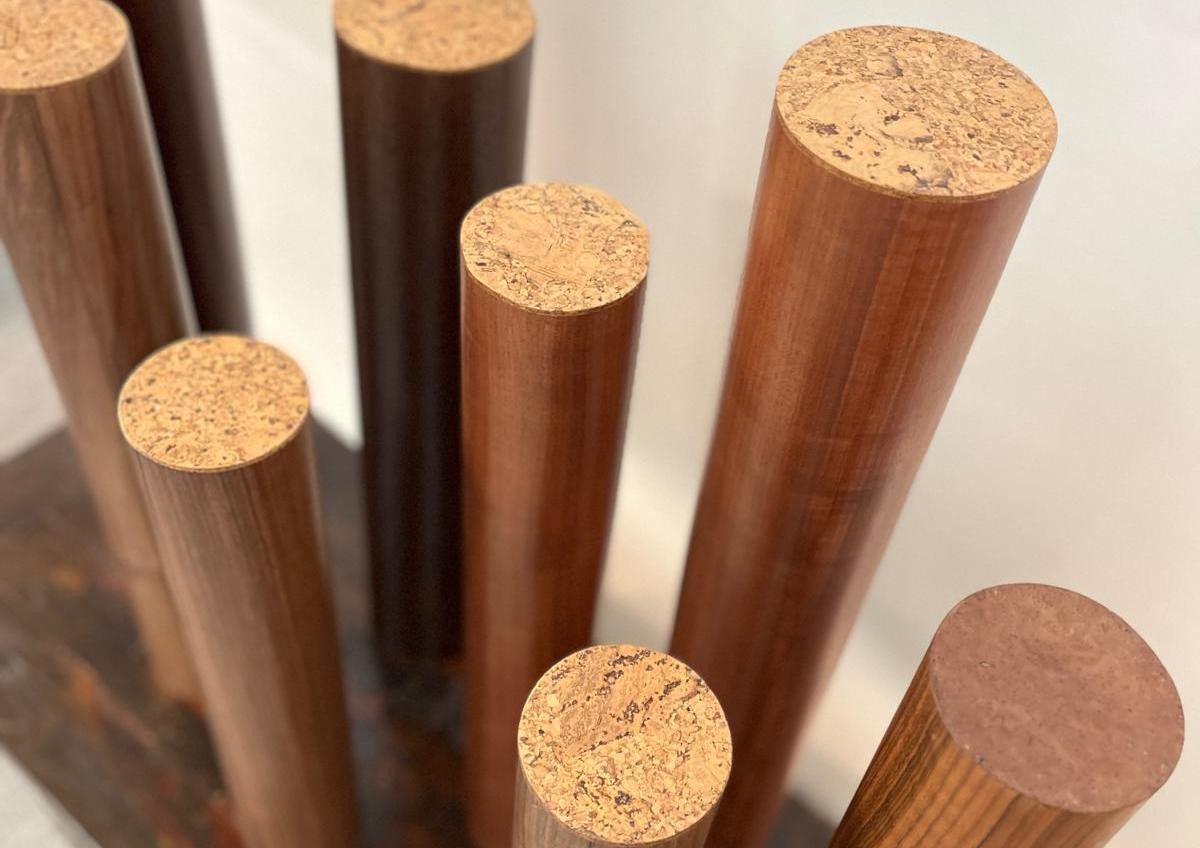
Elevate the guest experience at your luxury spa, hotel, or high-end boutique with our French artisanal rainsticks. An...
Before the first sound rises, there is a long silence. The silence of the hand preparing, the wood waiting, the seed being patient. An artisan rainstick is not a mass-produced object: it is a living composition. Every action aims for a fragile balance between nature and human precision. And if the sound seems to flow naturally, it is because it results from demanding expertise, made up of listening, experience, and instinct.
Usually, rainsticks are crafted from plywood or solid woods—ash, oak, or beech—chosen for their resonance qualities and density. But the choice of material influences much more than the sound. It also conditions the stability, resistance, and lifespan of the instrument. This is why in the workshop we made a different choice: that of solid wood veneer. We use a precious, stable, and regular wood, used in decorative arts and fine cabinetry, which offers ideal flexibility to conform to the instrument’s shape without the risk of cracking, even if dropped. It also presents a balanced acoustic texture: neither too bright nor too dull. And above all, it guarantees sound and visual constancy over time—making every rainstick a piece that is both robust and refined. This choice, at the intersection of design and tradition, allows us to create a durable instrument, both technical and sensitive. The veneer here becomes an ally, not a concession: it embodies the mastery of the material serving the sound.
Before the instrument's body is formed, one of the most delicate steps begins: the placement of the resonant pins. They are inserted one by one, in a precise sequence that determines the sound's trajectory. Each pin becomes a point of contact between the seed and the body of the rainstick, influencing the fluidity of the sound flow. This phase is as much about observation and listening as it is about technique: one must imagine the rain before hearing it. The artisan moves slowly, pin after pin, until the ideal density is achieved. The goal is to find the right balance to avoid a sound that is too muffled or too sparse, so that the rain is a source of energy and inspiration. It is an invisible but essential geometry of sound—an inner weaving that only the ear can guide.
If the wood is the body of the rainstick, the seeds are its beating heart. Their choice determines the sound texture, the continuity of the rain, its gentleness, or its depth. Here again, nothing is left to chance. The seeds are selected according to their density, diameter, and shape to create a balanced mixture: some roll softly, others strike more directly, offering a subtle contrast between lightness and gravity. The secret lies in the proportion of these elements. A handful of fine seeds brings the fluidity of a whisper; a few heavier seeds, the presence of drops from an approaching storm. This meticulously weighed mixture creates a genuine sound composition. When the first seeds slide into the tube and meet the pins, the artisan listens. They adjust, complement, and refine if necessary until the rain reveals itself. Not an ordinary rain, but a harmonious, continuous, meditative rain.
Once the structure is in place, the rainstick passes through the artisan's hands for the phase of sound and sensory discovery. Nothing is measured by machines; everything is a matter of listening. They tilt, turn, observe the descent of the seeds, the speed, the breathing of the sound. Each instrument must find its own voice because the objective is not to reproduce, but to reveal. The perfect tuning is recognized by the ear: when the sound flow becomes fluid, continuous, and soothing, the wood and the seed are finally in harmony. This is a stage where time stretches. The gesture becomes meditation, the sound becomes breathing.
The work does not stop at the sound. Surfaces are polished, edges softened. The natural oil—made in the workshop—nourishes the veneer without masking it, revealing the warm light of the grain and its copper reflections. Each piece is unique, signed by the hand, recognized by the eye. Here, the finish is not just a matter of aesthetics: it contributes to the complete sensory experience. The touch of the wood and cork, the softness of the grain, the hue of the varnish... everything helps to prolong the beauty of the sound in the material.
When the rainstick resonates for the first time, it is always a suspended moment. The artisan falls silent, listens. The sound flows, long, deep, as if telling an ancient story. At this moment, the work leaves the workshop to join pure emotion. Every rainstick is unique, not by its appearance, but by its voice. Some join musicians, others therapists, meditation and yoga spaces, design areas, or families seeking gentleness in their homes. All carry the same intention: to bring serenity, slowness, and beauty into daily life.
“The rainstick created by Atelier Mickaël Amant is not an object. It is a captured breath.”
check_circle
check_circle